 +7 (988) 379-41-22





Вертикальные балансировочные станки
Наиболее применимые
Возможно под Ваши задачи подойдут
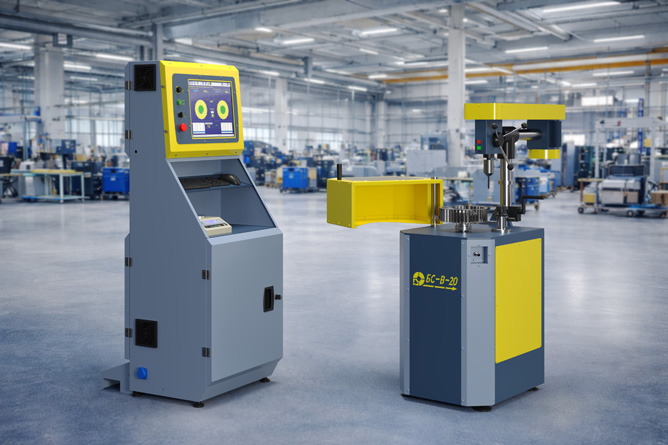
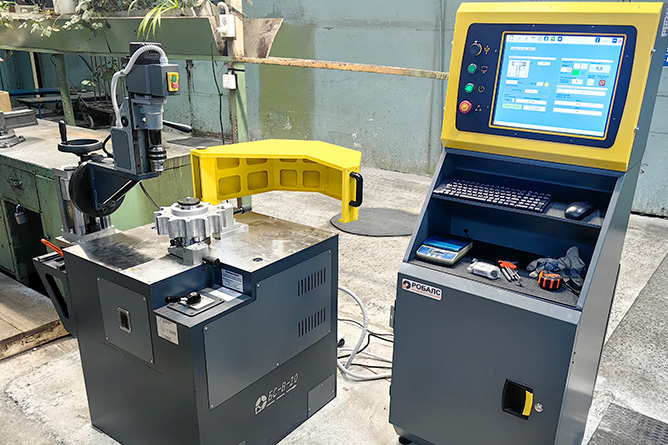
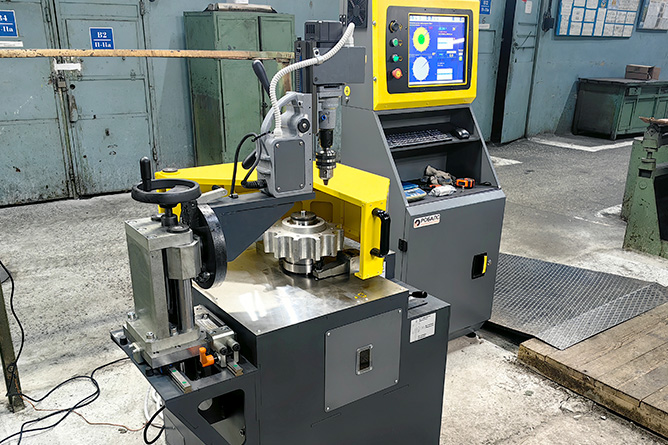
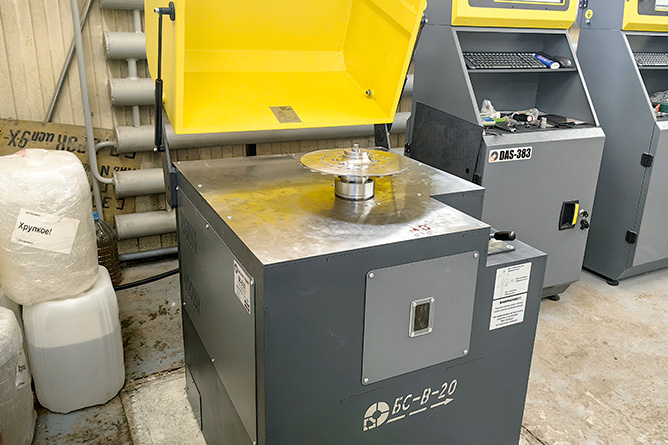
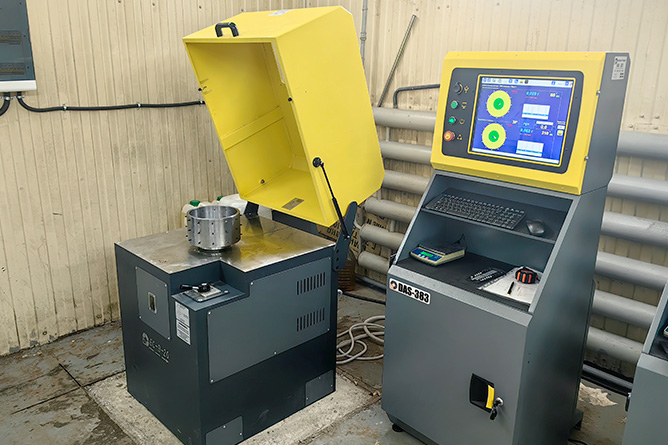
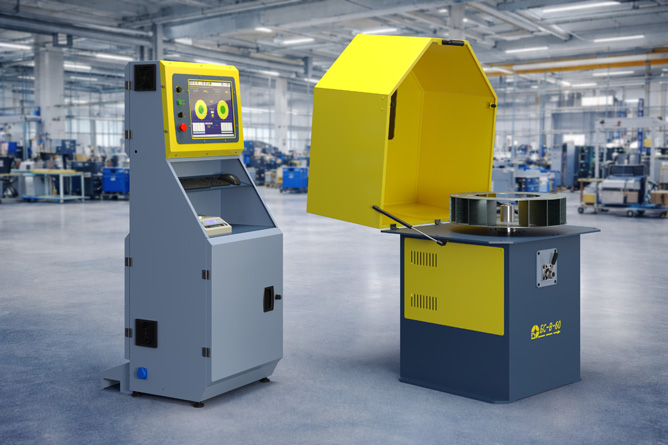
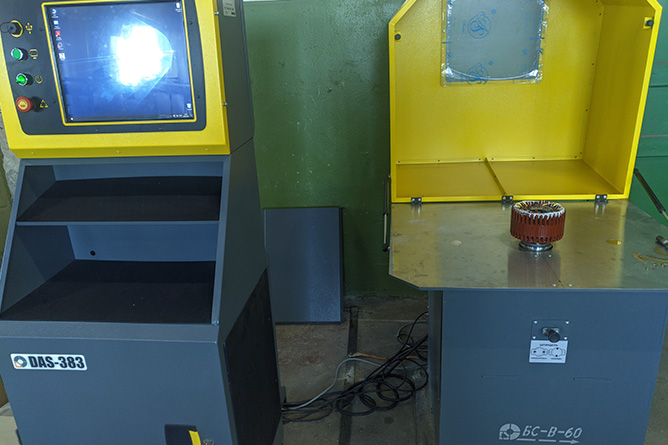
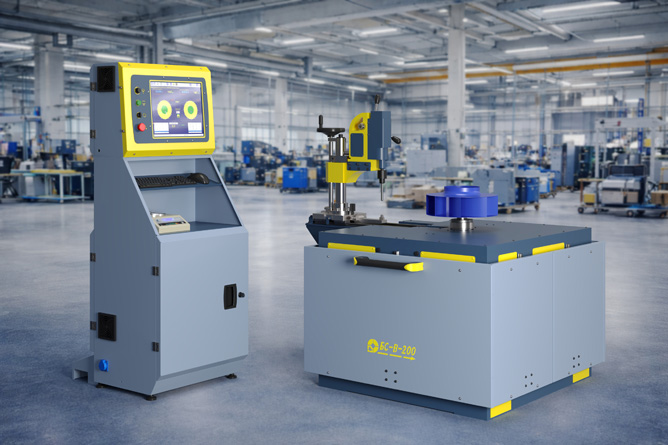
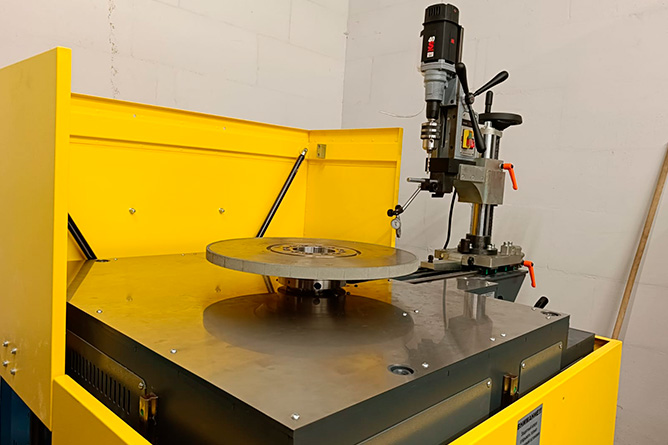
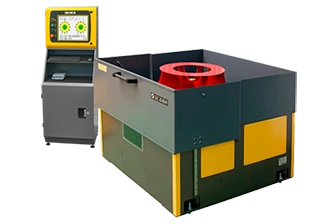
| Масса балансируемых роторов, кг | Диаметр балансируемых роторов, мм | Расстояние между серединами опорных шеек ротора, мм | Диаметр опорных шеек ротора, мм | Минимальный достижимый остаточный дисбаланс | Мощность привода, кВт | Тип привода | Габариты станка ДхВхГ, мм | Масса механической части станка (на станине стандартной длинны), кг | Напряжение питания В/Гц/Фаз | |
|---|---|---|---|---|---|---|---|---|---|---|
| BS-24-5H | 0,02 - 5 | 5-420 | 15-350 | 5-30 | 0,05 | 0,09 | Ременной | 440х400х800 | 47 | 220/50/1 |
| BS-24-8H | 0,02 - 10 | 5-400 | 20-550 | 5-30 | 0,05 | 0,37 | Ременной | 670х420х360 | 68 | 220/50/1 |
| BS-24-20H | 0,02 - 20 | 5-420 | 20-550 | 5-32 | 0,05 | 0,37 | Ременной | 670х420х360 | 73 | 220/50/1 |
| BS-34-50H | 0,2 - 60 | 1040 * | 20-1260 * | 11-160 | 0,05 | 0,75 | Ременной / Карданный / Комбинированный | 1550х1100х800 | 610 | 380/50/3 |
| BS-34-100H | 0,5 - 150 | 1070 * | 20-1450 * | 10-170 | 0,05 | 1,1 | Ременной / Карданный / Комбинированный | 1700х1100х820 | 770 | 380/50/3 |
| BS-34-200H | 0,5 - 200 | 1070 * | 20-1450 * | 10-170 | 0,05 | 1,5 | Ременной / Карданный / Комбинированный | 1700х1100х820 | 790 | 380/50/3 |
| BS-44-300H | 1,6 - 400 | 1500 * | 10/80-1700 * | 15-190 | 0,05 | 4,0 | Ременной / Карданный / Комбинированный | 2000х1200х1200 | 680 | 380/50/3 |
| BS-44-500H | 3 - 700 | 1500 * | 10/80-1700 * | 20-180 | 0,05 | 5,5 | Ременной / Карданный / Комбинированный | 2000х1200х1200 | 790 | 380/50/3 |
| BS-44-1000H | 5 - 1500 | 1700 * | 30/120 - 1650 * | 20-230 | 0,1 | 11,0 | Ременной / Карданный / Комбинированный | 2000х1400х1400 | 1170 | 380/50/3 |
| BS-44-3000H | 16 - 4000 | 2400 * | 30/135 - 1500 * | 25-270 | 0,1 | 18,5 | Ременной / Карданный / Комбинированный | 2000х1600х1400 | 1900 | 380/ 50/ 3 |
| BS-44-5000H | 30 - 6000 | 2400 * | 40/140 - 3500 * | 20-300 | 0,2 | 22,0 | Ременной / Карданный / Комбинированный | 2000х1750х1400 | 2150 | 380/ 50/ 3 |
| BS-44-8000H | 30 - 8000 | 2850 * | 65/250-5700 * | 20-310 | 0,25 | 30,0 | Ременной / Карданный / Комбинированный | 4000х1700х1900 | 4150 | 380/ 50/ 3 |
| BS-44-8000S | 30 - 8000 | 2750 * | 65/250-5650 * | 20-400 | 0,25 | 30,0 | Ременной / Карданный / Комбинированный | 4000х1700х1900 | 3980 | 380/ 50/ 3 |
| BS-44-10000H | 80 - 10000 | 2850 * | 70/280-5700 * | 20-310 | 0,25 | 37,0 | Ременной / Карданный / Комбинированный | 4000х1700х2000 | 4350 | 380/ 50/ 3 |
| BS-44-20000H | 100 - 20000 | 2850 * | 5650 * | 25-500 | 0,4 | 55 | Ременной / Карданный / Комбинированный | 7000х2200х2000 | 6550 | 380/ 50/ 3 |
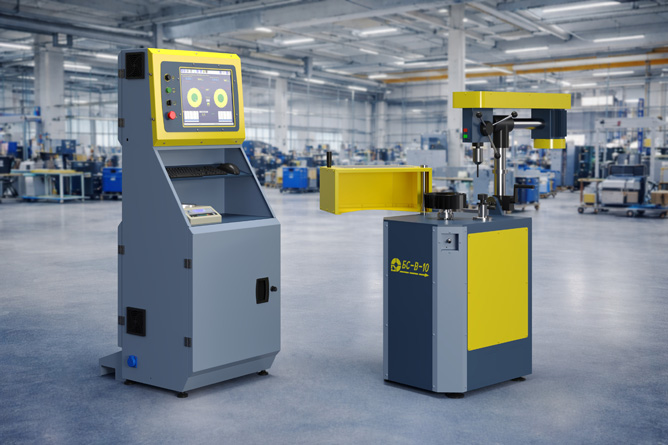
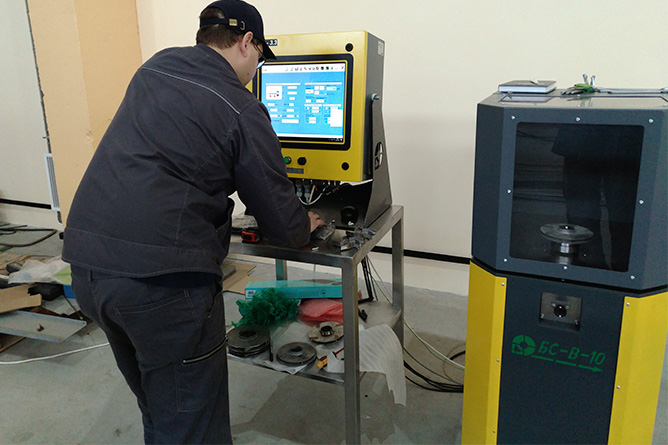
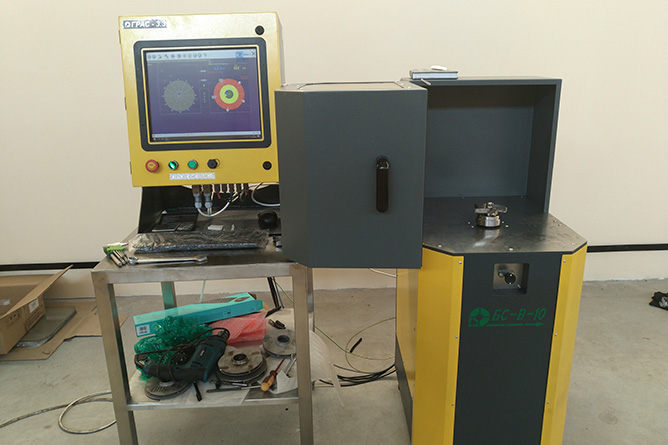
| BS-В-10 | 0,5 - 10 | до 600 | 0.2 | 0,55 | 500х1500х650 | 180 | 380/50/3 | |||
| BS-В-20 | 1,0 - 20 | до 600 | до 0,5 | 0,75 | 750х750х800 | 240 | 380/50/3 | |||
| BS-В-60 | 1,0 - 65 | до 800 | до 0,5 | 2,2 | 1100х1100х1250 | 540 | 380/50/3 | |||
| BS-В-200 | 1,0 - 200 | до 1000 | до 1 | 5,5 | 1200х1200х850 | 1750 | 380/50/3 | |||
| BS-В-600 | 5,0 - 600 | до 1300 | до 2 | 11 | 1430х1430х890 | 2340 | 380/50/3 | |||
| BS-44-1250 | 5 - 300 | 100-1250 | 0,3 | 18,5 | Прямой | 1500х1200х800 | 700 | 380В/50 Гц/3 фазы |
Таблица содержит данные, относящиеся к стандартной конфигурации станка. Большая часть параметров может быть изменена по требованию заказчика.
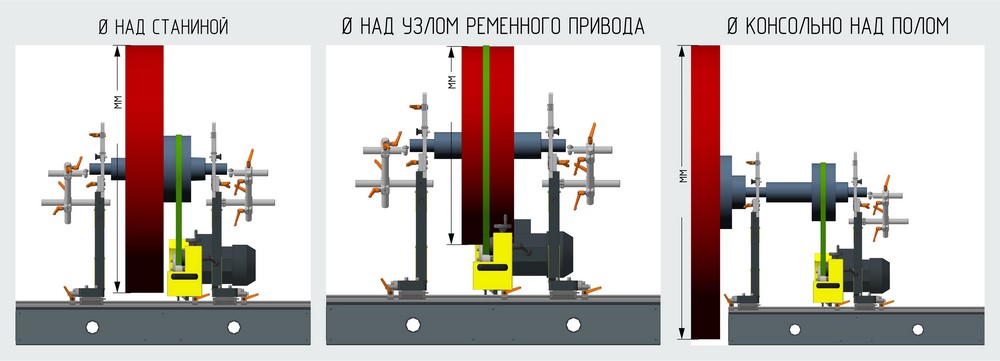
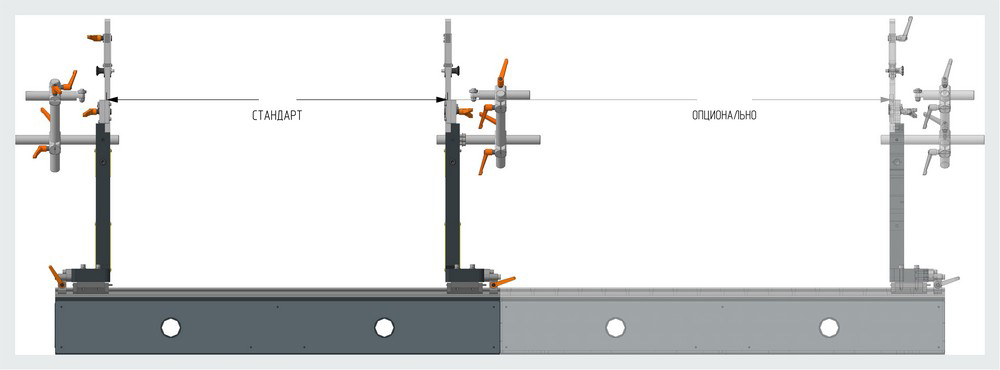


Vertical Balancing Machines
Unlike horizontal machines, vertical balancing machines allow for the workpiece to be positioned vertically. This enables effective balancing of parts with asymmetrical mass distribution and complex geometry, such as discs, impellers, and fans.
Vertical machines are particularly suited for applications requiring high precision and reliability, as the vertical orientation minimizes the effect of gravity on measurements and simplifies the fixturing process. This is especially important for large and heavy parts that are difficult to position horizontally. For example, balancing a heavy turbine disc on a horizontal machine can be challenging due to the need for complex supports and fixtures, whereas on a vertical machine, the disc is secured more simply.
These machines are widely used in various industries, from automotive parts manufacturing to aviation and energy.
Vertical balancing machines are designed for dynamic balancing of parts that lack their own bearing surfaces. The main components and operating principle are similar to horizontal models, but feature a vertical spindle rotation axis, at the end of which is a clamping device for securing the part in a vertical position.
Balancing is performed using sensors that detect vibrations caused by unbalance. This data is analyzed to determine the need for mass correction on the part.
Machines vary in permissible workpiece mass and diameter, rotational speed range, drive power, and accuracy. Some models can handle parts weighing up to several hundred tons and with diameters up to several meters, while others are designed for smaller components.
p> Larger models are often equipped with a drilling head that moves along vertical guides. It is used to correct unbalance by drilling out material from the part, which can be done manually or semi-automatically.For high-frequency balancing of flexible rotors at high speeds, specialized machines with sub-resonant supports and axial drives are used. Such machines are equipped with current sensors and sealed chambers to reduce power losses due to air friction.
Vertical balancing machines can be classified by the size of parts they handle, accuracy level, power, and functionality:
Machines for Small and Medium Parts — used for manufacturing high-precision components that do not require high power. They are compact and convenient for use in limited spaces, often used for automotive parts.
Machines for Large and Heavy Parts — feature reinforced structures and powerful drives, enabling them to process elements such as electric motor rotors and turbine discs. They withstand significant loads and provide balancing accuracy even under demanding conditions.
Machines with Automatic Correction Systems — allow for automatic unbalance correction by removing or adding material, which is particularly efficient in mass production. Examples of such machines can be found in the aerospace industry.
Machines for Complex and Asymmetrical Parts — equipped with special fixtures and movable elements for precise balancing of parts with non-standard geometry, useful in the production of ventilation systems.
Advantages of Vertical Balancing Machines
- High Precision: The vertical part orientation minimizes the influence of gravity, ensuring stable and accurate measurements.
- Ease of Installation: The part mounting process is simplified, especially for heavy and bulky components.
- Operational Speed: Fewer preparation steps reduce balancing time, which is crucial in serial production.
- Flexibility: Suitable for balancing various types of products, from small impellers to heavy rotors.
Technical Specifications
- Weight Capacity: Determines the weight of parts the machine can handle, ranging from a few grams to several tons.
- Maximum Diameter: Limited by the machine's design, can reach several meters.
- Permissible Unbalance: Defines the balancing accuracy; the lower the permissible unbalance, the higher the precision of balancing.
- Rotational Speed: Important for simulating operating conditions and identifying potential issues.
- Integration: Capabilities for integration with automatic correction systems and quality control systems.
These specifications determine the machine's applicability for specific tasks, ensuring high precision and efficiency in the balancing process.